Farmhouse Camping Font
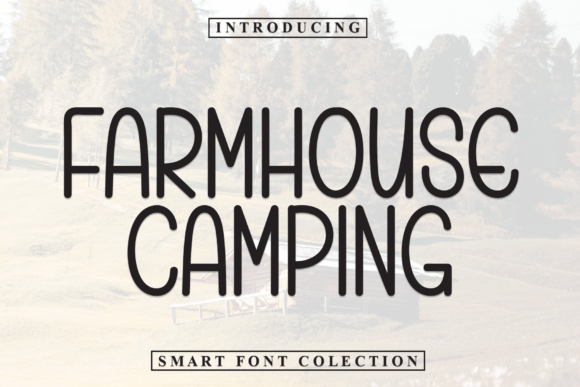
Farmhouse Camping is a display font that brings the warmth of handwritten charm to digital design. Its playful and celebratory characteristics make it ideal for web designers seeking a unique visual identity. Whether you're crafting a landing page or designing a brand logo, this font adds an inviting personality to your work.
Farmhouse Camping for Website Headers and Hero Sections
Farmhouse Camping shines in website headers and hero sections where bold, expressive typography captures attention. Its warm, handwritten style adds a personal touch that resonates with audiences looking for authenticity. For example, using Farmhouse Camping in a homepage headline can immediately set a welcoming tone for a boutique online store or a creative portfolio site.
When used in hero sections, the font enhances visual hierarchy by standing out against simpler body text. Pairing it with a clean sans serif font like Open Sans or Lato ensures readability while maintaining a balanced layout. This combination works well for SaaS landing pages, coaching websites, or course sales pages where clarity and engagement are key.
Farmhouse Camping for Call-to-Action Buttons and Short Phrases
The playful nature of Farmhouse Camping makes it perfect for call-to-action buttons and short phrases that need to stand out. Its distinctive character helps guide user interaction without overwhelming the design. For instance, a "Join Our Community" button with this font can feel more approachable and memorable compared to a standard sans serif.
However, it’s important to use Farmhouse Camping strategically. Overusing it across multiple elements can reduce its impact. Instead, reserve it for key interactive areas such as sign-up forms, subscription prompts, or social media links. This ensures the font remains effective and doesn’t interfere with overall usability.
Farmhouse Camping for Online Store Banners and Digital Ads
Farmhouse Camping is an excellent choice for online store banners and digital ads where visual appeal matters. Its handwritten style adds a sense of craftsmanship and personality that aligns with small businesses, artisan brands, or lifestyle-focused e-commerce sites. Using it in product headlines or promotional banners can create a cohesive look that feels both professional and inviting.
When designing for mobile screens, ensure the font scales appropriately. Test it on smaller buttons and image overlays to maintain legibility. A dark background with light text or vice versa can also enhance contrast, making the font more readable without sacrificing its aesthetic appeal.
Farmhouse Camping for Blog Headers and Content Sections
In blog headers and content sections, Farmhouse Camping can add a creative flair that differentiates your content from others. It works particularly well for lifestyle blogs, food sites, or travel-related content where a warm, friendly tone is essential. Using it in section headings or subheadings can help break up long paragraphs and guide readers through the content.
For best results, pair Farmhouse Camping with a simple serif or sans serif font for body text. This creates a clear visual distinction between titles and main content while keeping the overall design clean and professional. The font also pairs well with editorial layouts, making it a great choice for magazine-style websites or content-heavy platforms.
Farmhouse Camping for Logo Design and Brand Identity
Farmhouse Camping is an ideal font for logo design and brand identity projects where a personalized, handcrafted look is desired. Its warm and inviting spirit makes it suitable for brands in the wellness, food, or home decor industries. When used in logos, it conveys a sense of trust and authenticity that resonates with modern consumers.
Consider using Farmhouse Camping for both primary and secondary brand assets such as social media profiles, email newsletters, or packaging designs. Its versatility allows it to adapt to different formats while maintaining a consistent visual language. For a more refined look, experiment with subtle variations in weight or spacing to match your brand’s personality.
Farmhouse Camping for Creative Portfolios and Digital Brand Kits
Creative portfolios and digital brand kits benefit greatly from the unique character of Farmhouse Camping. It adds a personal touch to project showcases, client testimonials, or case studies, helping to tell a story that stands out. For designers and developers, using this font in portfolio headers or project titles can create a memorable first impression.
When building a digital brand kit, include Farmhouse Camping as part of your typography system. Define its usage in headings, buttons, and decorative elements to ensure consistency across all touchpoints. This approach reinforces brand recognition and helps maintain a cohesive visual identity across websites, social media, and marketing materials.
Farmhouse Camping for Responsive Web Design and Mobile Layouts
As a display font, Farmhouse Camping requires careful consideration in responsive web design. On mobile screens, ensure the font size is large enough to remain legible without compromising layout structure. Avoid using it in body text or lengthy paragraphs, as this can affect reading speed and user experience.
Testing the font on different screen sizes and backgrounds is essential. Dark mode users may find the font more readable with a lighter color, while light mode users might prefer a slightly bolder version. Always check how it interacts with images, icons, and other design elements to maintain a balanced composition.
Farmhouse Camping for Commercial Use and Licensing
Before using Farmhouse Camping in commercial projects, verify the licensing terms. Most premium fonts require a separate license for website use, client projects, or online stores. Ensure that the font includes webfont formats such as WOFF or WOFF2 for seamless integration into digital platforms.
When working on client projects, clarify font usage rights upfront to avoid any legal issues. For online stores or SaaS products, confirm whether the font supports multilingual characters if needed. These considerations help protect both the designer and the end-user, ensuring a smooth and compliant design process.